For many organizations, ISO 9001 is viewed as a necessary cost of doing business. A customer requires it, a market expects it, or a contract demands it. The focus becomes passing the audit, maintaining certification, and moving on.
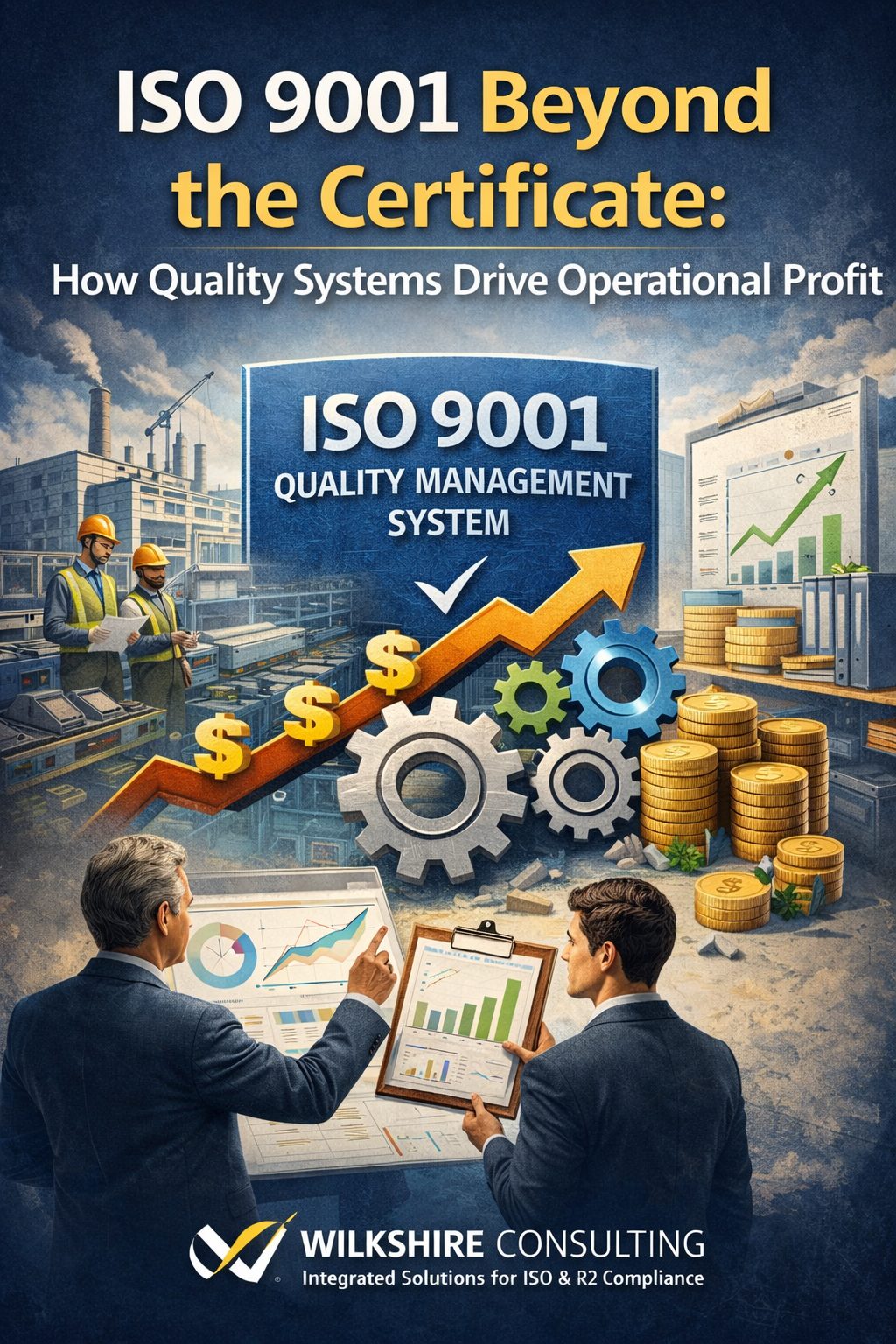
But when ISO 9001 is implemented correctly — as part of an integrated management strategy — it becomes far more than a certificate. It becomes a framework for reducing waste, improving efficiency, and protecting profitability.
Organizations that treat ISO 9001 as paperwork miss its real value. Those that use it strategically often see measurable operational gains.
Why ISO 9001 Is Commonly Misunderstood
ISO 9001 is frequently described as a “quality standard,” but quality in this context does not mean perfection or excessive inspection. ISO 9001 is fundamentally about process control and consistency.
The misunderstanding usually comes from how systems are implemented:
- Procedures written for auditors, not employees
- Quality objectives disconnected from business goals
- KPIs tracked because the standard requires them, not because they matter
When quality management is reduced to documentation, the system becomes a compliance exercise rather than a performance tool.
Quality Systems and Profit Are Directly Linked
Every organization experiences inefficiencies that quietly erode margins:
- Rework
- Scrap
- Delays
- Miscommunication between departments
- Inconsistent outputs
ISO 9001 addresses these issues by requiring organizations to:
- Define processes clearly
- Assign ownership
- Monitor performance
- Act on data
When these requirements are aligned with real operations, the result is fewer errors, smoother workflows, and better use of resources — all of which directly impact profitability.
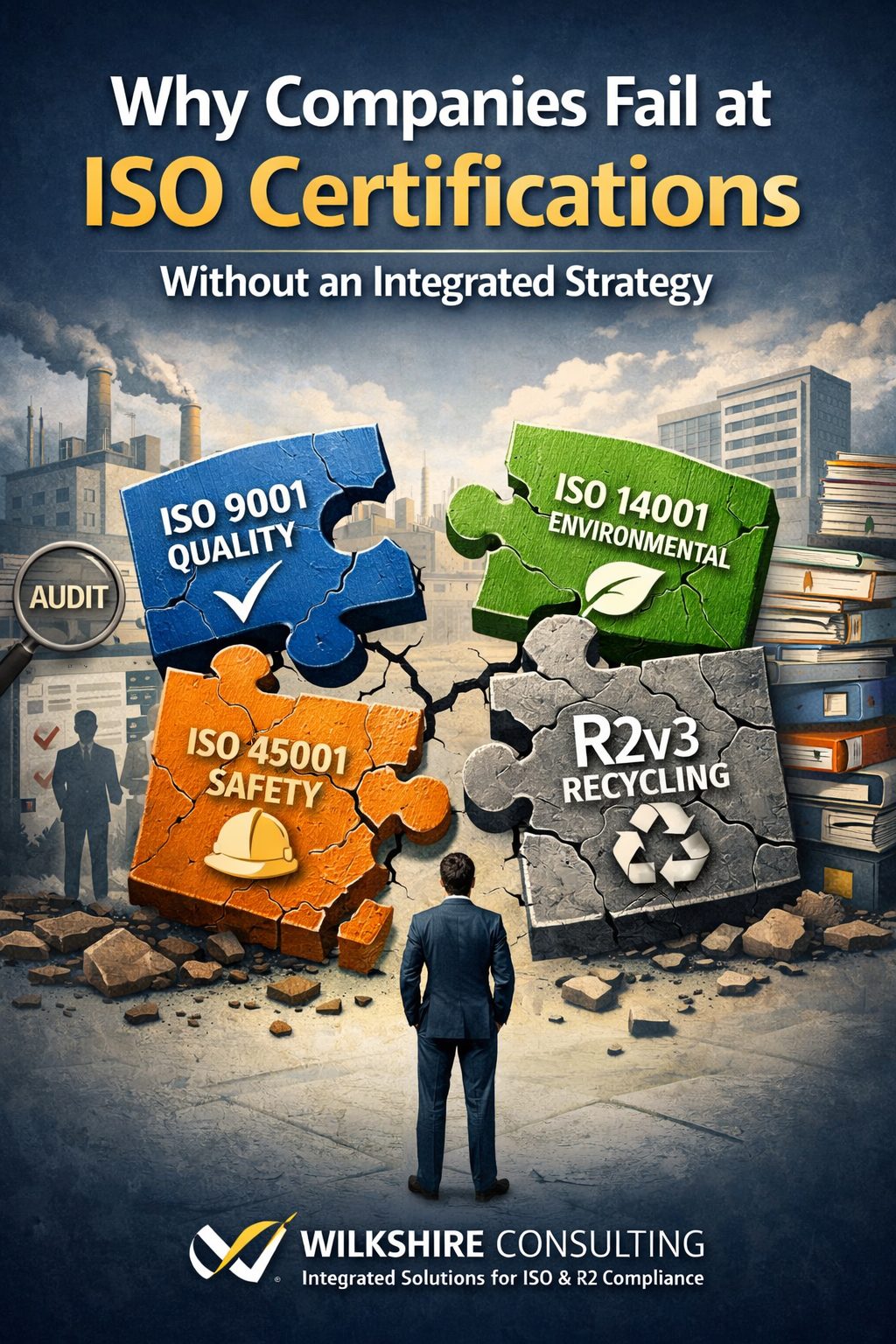
Want to know Why Companies Fail at ISO Certifications Without an Integrated Strategy?
Check out this blog: Why Companies Fail at ISO Certifications Without an Integrated Strategy
Process Ownership Changes Everything
One of the most powerful — and most overlooked — elements of ISO 9001 is process ownership.
In many organizations, processes exist but no one truly owns them. When issues arise, responsibility is unclear, corrective actions stall, and problems repeat themselves.
ISO 9001 requires:
- Defined process inputs and outputs
- Clear responsibilities and authorities
- Performance monitoring
Organizations that embrace this requirement see faster decision-making and fewer operational bottlenecks. Instead of reacting to problems, they manage processes proactively.
The Cost of Poorly Designed Quality Systems
A poorly designed ISO 9001 system doesn’t just fail to add value — it can actively drain resources.
Common profit leaks include:
- Excessive approvals slowing production or service delivery
- Redundant inspections that don’t reduce risk
- KPIs that generate reports but no insight
- Corrective actions that address symptoms instead of root causes
These issues often persist because the quality system exists separately from business operations. When quality is “owned by the quality department” instead of the organization, its impact is limited.
Linking Quality Objectives to Business Performance
ISO 9001 requires organizations to establish quality objectives, but the standard does not dictate what those objectives must be. This flexibility is intentional.
Effective organizations align quality objectives with:
- On-time delivery
- Customer retention
- Cost reduction
- Process efficiency
- Risk mitigation
When quality objectives support business goals, leadership engagement increases. Management reviews become strategic discussions instead of compliance meetings, and quality metrics become tools for decision-making.
Data That Drives Improvement — Not Just Reports
ISO 9001 emphasizes monitoring, measurement, analysis, and evaluation. However, collecting data alone does not improve performance.
The difference between high-performing systems and stagnant ones lies in how data is used:
- Trends are analyzed, not just reported
- Root causes are addressed, not bypassed
- Improvements are prioritized based on risk and impact
Organizations that use ISO 9001 data effectively often identify issues before customers do — preventing lost revenue and reputational damage.
Find out What Auditors Actually Want to See in this blog:
ISO 9001 Management Review: What Auditors Actually Want to See
ISO 9001 Works Best When Integrated
ISO 9001 does not operate in isolation. Quality outcomes are directly affected by:
- Environmental controls (ISO 14001)
- Worker safety and competence (ISO 45001)
- Data security and downstream management (R2v3)
An integrated management system ensures that quality improvements are not undermined by environmental incidents, safety disruptions, or data breaches. This holistic approach strengthens operational resilience and protects long-term profitability.
Leadership Involvement Is the Differentiator
ISO 9001 places significant responsibility on leadership for a reason. When leadership treats quality as a strategic priority rather than a delegated task, systems perform better.
Effective leadership involvement includes:
- Reviewing quality performance alongside financial results
- Removing barriers to process improvement
- Supporting corrective actions with real authority
This alignment ensures that quality management supports growth instead of slowing it down.
How Wilkshire Consulting Helps Organizations Unlock Value
At Wilkshire Consulting, we help organizations move beyond “audit-ready” ISO 9001 systems toward performance-driven quality management.
Our approach focuses on:
- Designing processes that reflect real operations
- Aligning quality objectives with business strategy
- Integrating ISO 9001 with environmental, safety, and R2v3 systems
- Eliminating unnecessary complexity while strengthening control
The result is a quality management system that improves efficiency, reduces risk, and supports sustainable growth — not just certification.