When your organization retires laptops, servers, hard drives, and networking equipment, you are not just getting rid of old electronics. You are handing over customer information, employee data, internal documents, and a piece of your brand reputation.
That is why the real question is not, “Who can recycle this?” It is, “Who can prove they will handle it securely, responsibly, and transparently?”
That is where R2 certification changes the conversation.
R2 is a recognized standard for the electronics reuse and recycling industry. According to SERI, it covers the full reverse supply chain and includes requirements tied to environmental responsibility, health and safety, quality, data security, and downstream accountability. R2-certified facilities are independently audited and certified through authorized certification bodies, and valid certifications can be verified through SERI’s public directory.
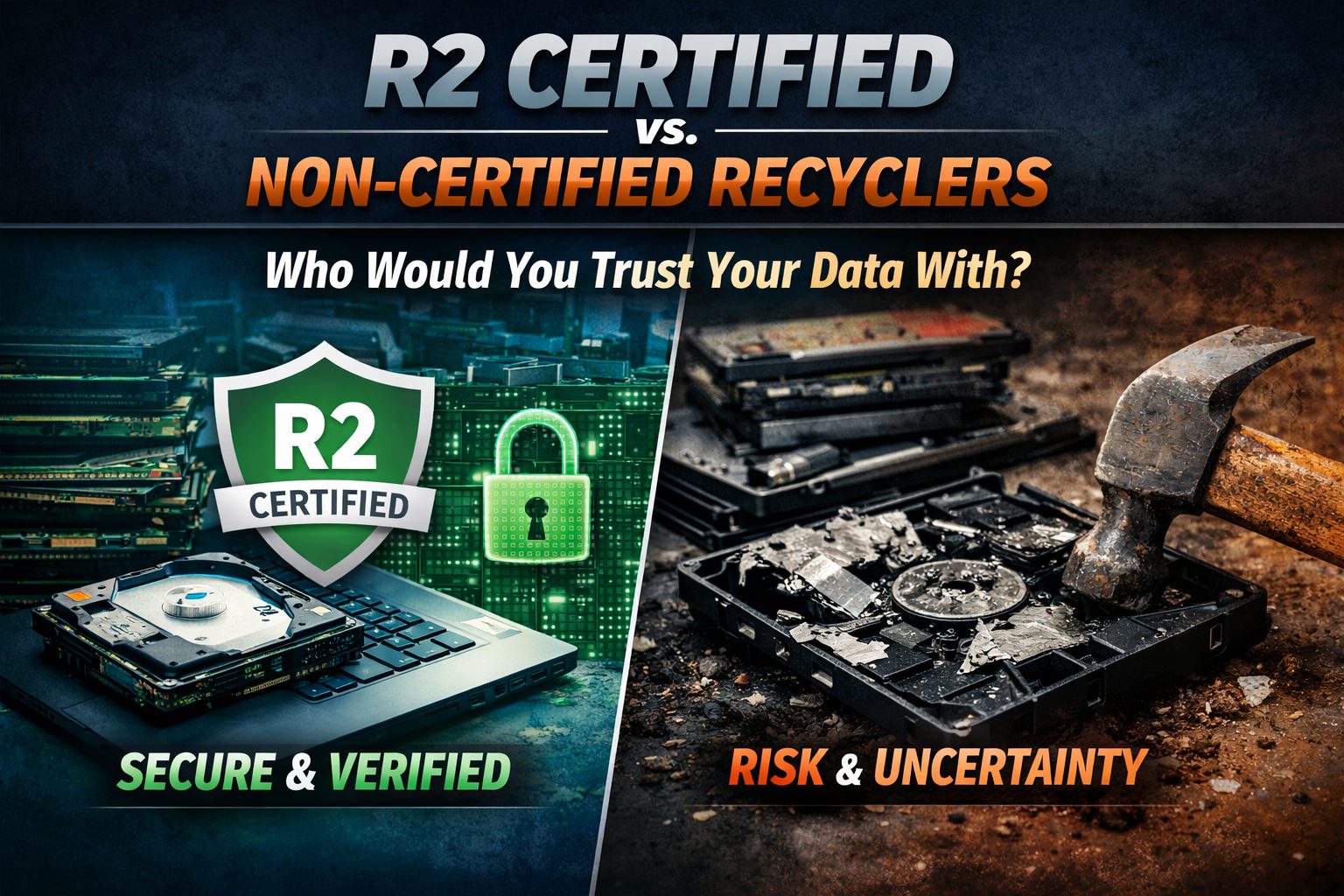
A non-certified recycler may still make all the right promises. They may say they destroy data, recycle responsibly, and follow best practices. And some may in fact do excellent work. But without R2 certification, customers are being asked to trust the company’s internal claims rather than a standardized, externally audited system. That is a major difference.
What R2 Brings to an R2-Certified Recycler
For an R2-certified recycler, certification is not just a badge on a website. It creates a more disciplined way of operating. SERI’s R2v3 framework includes core requirements covering environmental health and safety, legal requirements, tracking throughput, data security, focus materials, and transport, along with specialized appendices for areas like downstream chain management and data sanitization.
That means an R2-certified recycler is not simply saying, “We take security seriously.” It is building procedures, documentation, and accountability into the way electronics are received, handled, processed, and transferred.
1. Stronger Data Security
This is the part most customers care about first, and for good reason.
SERI’s guidance states that, by default, all data must be sanitized unless the customer specifically and contractually requires otherwise. R2 also lays out defined sanitization pathways. Facilities certified to Appendix B can perform logical and/or physical sanitization under Appendix B requirements. Facilities not certified to Appendix B can physically destroy data devices in accordance with NIST media sanitization guidance, or a qualified downstream vendor managed under Appendix A can perform the sanitization. SERI also describes R2v3’s data sanitization approach as multi-layered, with safeguards intended to prevent mistakes that can lead to data breaches and to create accountability and confidence in the results. NIST similarly defines media sanitization as rendering access to target data infeasible for a given level of effort.
That matters because there is a huge difference between a recycler saying, “We wipe drives,” and a recycler operating under documented procedures, defined controls, and verifiable records.
For the customer, that brings peace of mind. For the recycler, it brings credibility.
2. Better Chain of Custody and Downstream Control
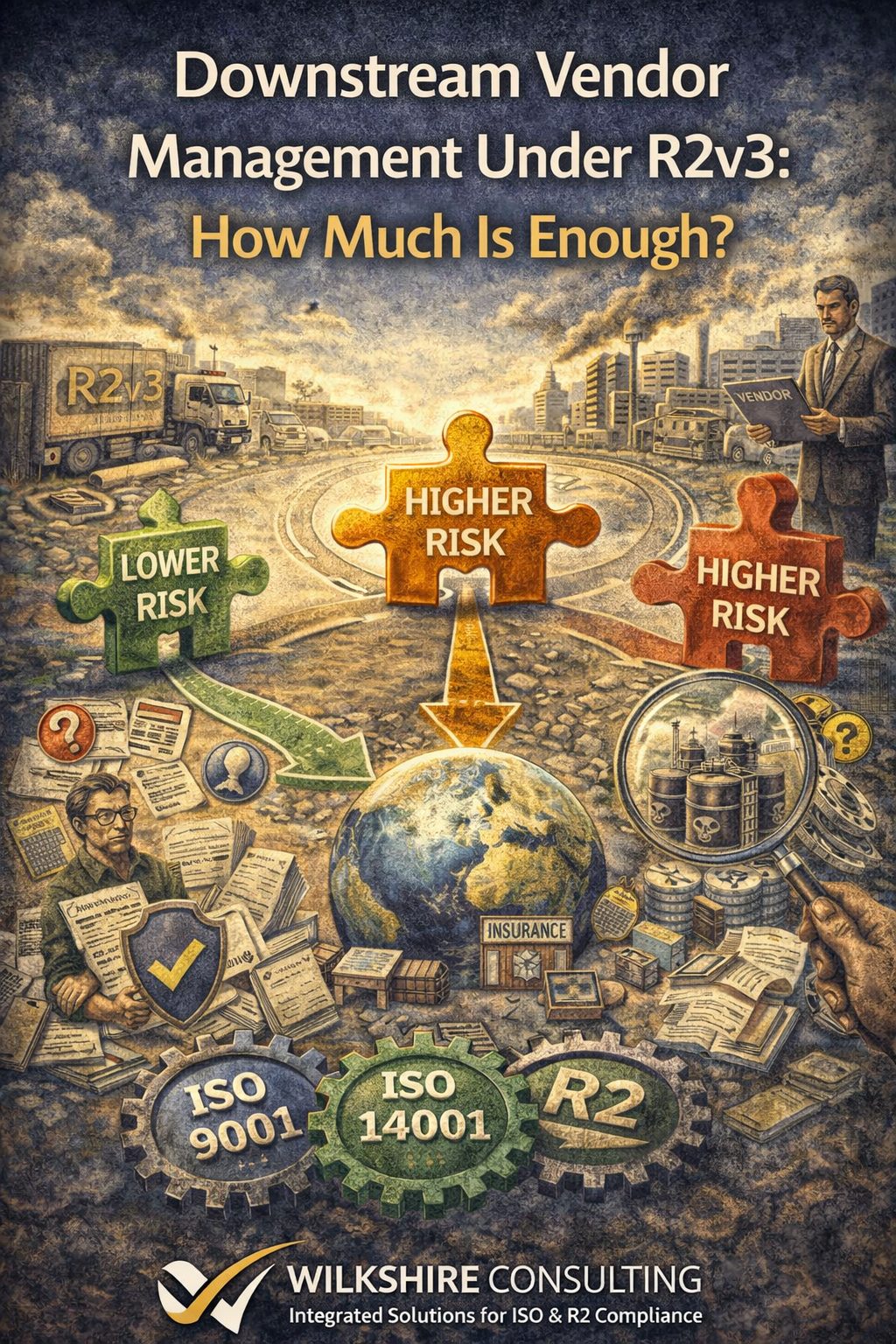
One of the biggest concerns in electronics recycling is what happens after the first handoff. If equipment or materials leave one facility and move through other vendors, how much visibility is there? Who is responsible? How do you know where things really went?
R2 addresses that problem directly. SERI identifies tracking throughput as a core requirement, and its appendix guidance explains that when specialized work is outsourced, those downstream vendors must be qualified and managed under the downstream chain requirements.
That gives an R2-certified recycler a major advantage in the sales process. It can talk about documented chain of custody, controlled downstream relationships, and traceable material flow in a way that procurement teams, compliance leaders, and IT decision-makers immediately understand.
A non-certified recycler may offer similar assurances, but it is harder for the customer to know how formal, repeatable, and auditable those assurances really are.
3. Independent Verification Instead of Self-Reported Claims
This is one of the clearest differences between R2-certified and non-certified recyclers.
SERI states that R2-certified facilities are independently audited and certified, and that only authorized certification bodies can issue authentic R2 certifications. SERI also maintains a directory that collects certificates from those authorized bodies so customers can verify a recycler’s status.
That changes the customer conversation from:
“We have good processes.”
to:
“Here is our certification, here is the scope, and here is how you can verify it.”
That is powerful.
It lowers skepticism. It reduces the need for customers to investigate every claim from scratch. And it gives the recycler a trust signal that non-certified competitors simply do not have in the same way.
4. More Responsible Operations Beyond Data Destruction
R2 is not only about destroying hard drives. It is broader than that.
SERI describes R2 as a comprehensive standard that includes environmental responsibility, health and safety, quality, and data security across the reverse supply chain. R2v3 also includes requirements around focus materials, legal and other requirements, and transport. In addition, the R2 hierarchy is designed to support a circular economy by evaluating devices, parts, and components for reuse first when feasible, then maximizing material recovery when reuse is no longer viable.
That gives customers more confidence that they are not solving one problem while creating another. They are not just protecting data. They are also choosing a recycler operating within a framework built around safer handling, better oversight, and more responsible end-of-life outcomes.
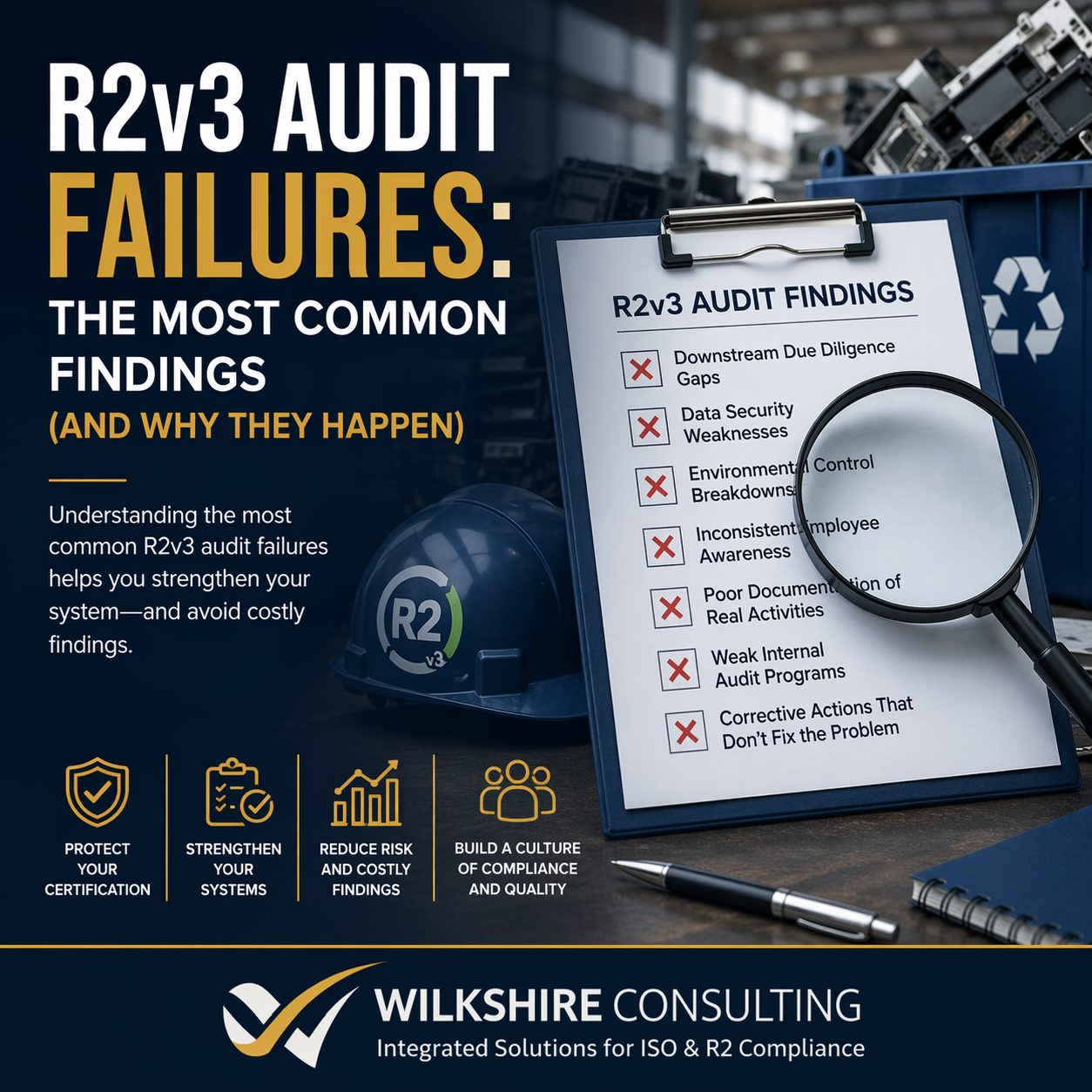
Interested in learning more about ISO & R2 integrated systems? Check out the blog below:
How Integrated ISO & R2 Systems Reduce Audit Costs and Improve Client Trust
What a Non-R2 Recycler Has a Harder Time Proving
The biggest risk with a non-certified recycler is not that it is automatically irresponsible.
The real issue is that the customer has less independent evidence.
If there is no R2 certificate, no authorized certification body behind it, and no listing in the SERI directory, then buyers have to do far more of the validation work themselves.
They have to ask harder questions:
How is data sanitized?
What standard is used?
What documentation is produced?
Who are the downstream vendors?
How are those vendors qualified?
What proof is provided after pickup?
If the answers are vague, confidence drops quickly.
That is the hidden disadvantage of being non-R2. Even a capable recycler may lose business simply because it cannot reduce customer uncertainty as effectively.
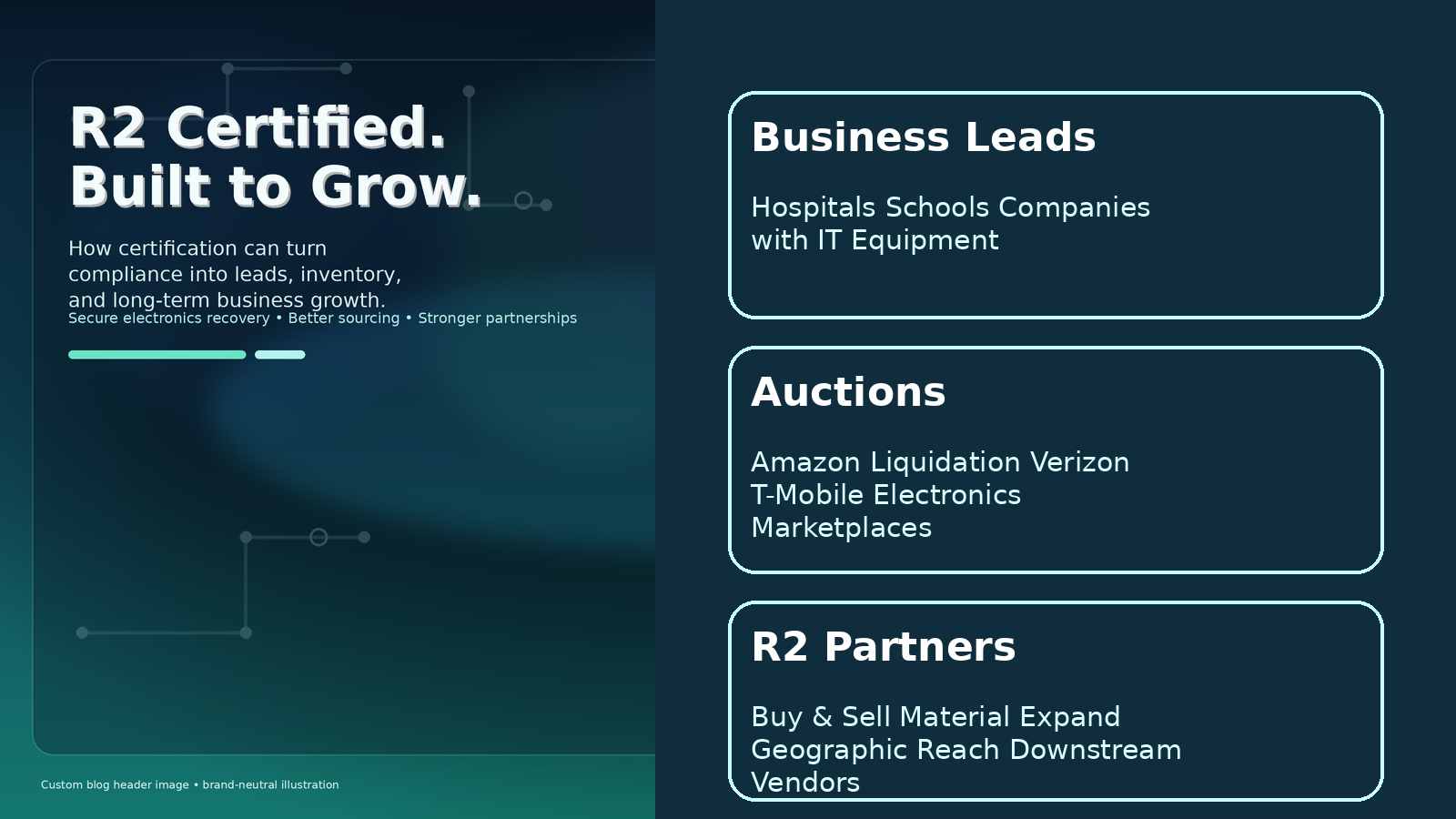
Why R2 Is Also a Marketing Advantage
R2 does more than strengthen operations. It strengthens market positioning.
Customers do not buy electronics recycling on price alone. They buy confidence. They buy reduced risk. They buy fewer unknowns.
R2 helps an electronics recycler communicate all of that faster.
It tells prospects that the company has invested in audited systems, documented processes, and external verification. It gives sales teams a stronger answer to concerns around security, compliance, and vendor accountability. And because SERI ties use of the “R2v3 Certified” mark to the issuance of a valid certificate by a SERI-authorized certification body, the claim carries more weight than a generic marketing promise.
In practical terms, that can make the first conversation easier. It can make the company more credible in regulated industries. It can help reduce friction in procurement reviews. And it can give customers a reason to feel at ease before the work even begins.
The Bottom Line
When you hand over retired IT assets, you are not handing over scrap. You are handing over data, compliance exposure, and brand trust.
An R2-certified recycler gives customers a stronger basis for confidence because it is operating within an independently audited framework for data security, downstream accountability, environmental responsibility, and documented process control. A non-certified recycler may or may not meet that same bar, but the customer has to work much harder to prove it.
When the stakes are this high, “trust us” should never be the whole story.
A better answer is: “Here is the standard. Here is our certification. Here is how you can verify it.”